There's a growing conversation online about electrolyte drinks. Nutrition influencers and health experts are pointing out that most Americans already consume more than enough sodium in their daily diets. So why would anyone need to drink more of it?
It's a fair question. And they're right about one thing: most people don't need supplemental electrolytes to get through their day.
If you spend most of your time sitting at a desk, eat a normal diet, and aren't losing significant amounts of fluid through sweat, your body can generally maintain its electrolyte balance without a specialized hydration product.
But there's an important distinction getting lost in the conversation.
Consuming enough sodium for everyday health is not the same as managing hydration for athletic performance.
And understanding that difference starts with understanding how your body actually uses sodium.
Your Body Doesn't Store Sodium Like It Stores Energy
When you eat carbohydrates, your body can store some of that energy as glycogen in your muscles and liver, ready to be used during exercise.
Sodium works differently.
Sodium is an essential electrolyte that helps regulate fluid balance, nerve signaling, and muscle function. It's also the primary electrolyte in the fluid surrounding your cells, including blood plasma.
When you consume sodium, it's absorbed into your bloodstream, where your body continuously regulates how much is retained and how much is excreted through urine.
Your kidneys play a central role in maintaining that balance.
This means that eating a high-sodium breakfast doesn't necessarily provide you with an equivalent amount of additional sodium to replace what you'll lose during an afternoon workout.
Some of that sodium may still be contributing to your fluid balance hours later. Some may have already been excreted.
Sodium isn't a performance reserve you can simply fill up in the morning and draw down later.
What Changes When You Start Sweating?
At rest, your body continuously regulates water and electrolytes to maintain a stable internal environment.
During exercise, things change.
As your body temperature rises, you produce sweat to dissipate heat. That sweat contains water and electrolytes, particularly sodium.
And the amount you lose can vary dramatically depending on the athlete, training intensity, temperature, humidity, and duration.
Some athletes sweat relatively little. Others lose more than a liter of fluid per hour, with substantial accompanying sodium losses.
Those losses matter because maintaining adequate hydration helps support circulating blood volume, cardiovascular function, and temperature regulation during exercise.
As fluid losses accumulate, your heart may need to work harder to sustain circulation, and your ability to regulate body temperature can become compromised.
That's why hydration is a performance consideration, not simply a question of whether you've consumed the recommended amount of sodium that day.
Why Electrolyte Timing Can Matter
Let's compare two scenarios.
In the first, you consume a high-sodium breakfast at 8 AM and begin an intense training session at 4 PM.
In the second, you consume sodium along with water shortly before training.
Both contribute to your overall sodium intake. But they don't necessarily have the same effect on your hydration status when exercise begins.
That's because your body continuously adjusts sodium and water retention throughout the day.
Research shows that sodium consumed in the hours before exercise can help promote fluid retention and support pre-exercise hydration, particularly when consumed alongside an appropriate amount of water.
And during prolonged, sweat-heavy exercise, replacing some of the sodium and water you're losing may help maintain fluid balance.
The benefit isn't that freshly consumed sodium is somehow more powerful. It's that timing your intake around anticipated fluid losses can make hydration more effective.
This doesn't mean every athlete needs electrolytes before every workout. It means hydration strategies should reflect the demands of the activity.
The Role of Glucose in Hydration
There's another important part of the equation that often gets overlooked.
Your small intestine contains a transport mechanism called SGLT1, which helps absorb sodium and glucose together.
This process supports the movement of water from the intestine into the body and is one of the physiological principles behind oral rehydration solutions.
In other words, hydration isn't simply about consuming large amounts of sodium. The composition of a hydration drink can also influence how fluid and electrolytes are absorbed.
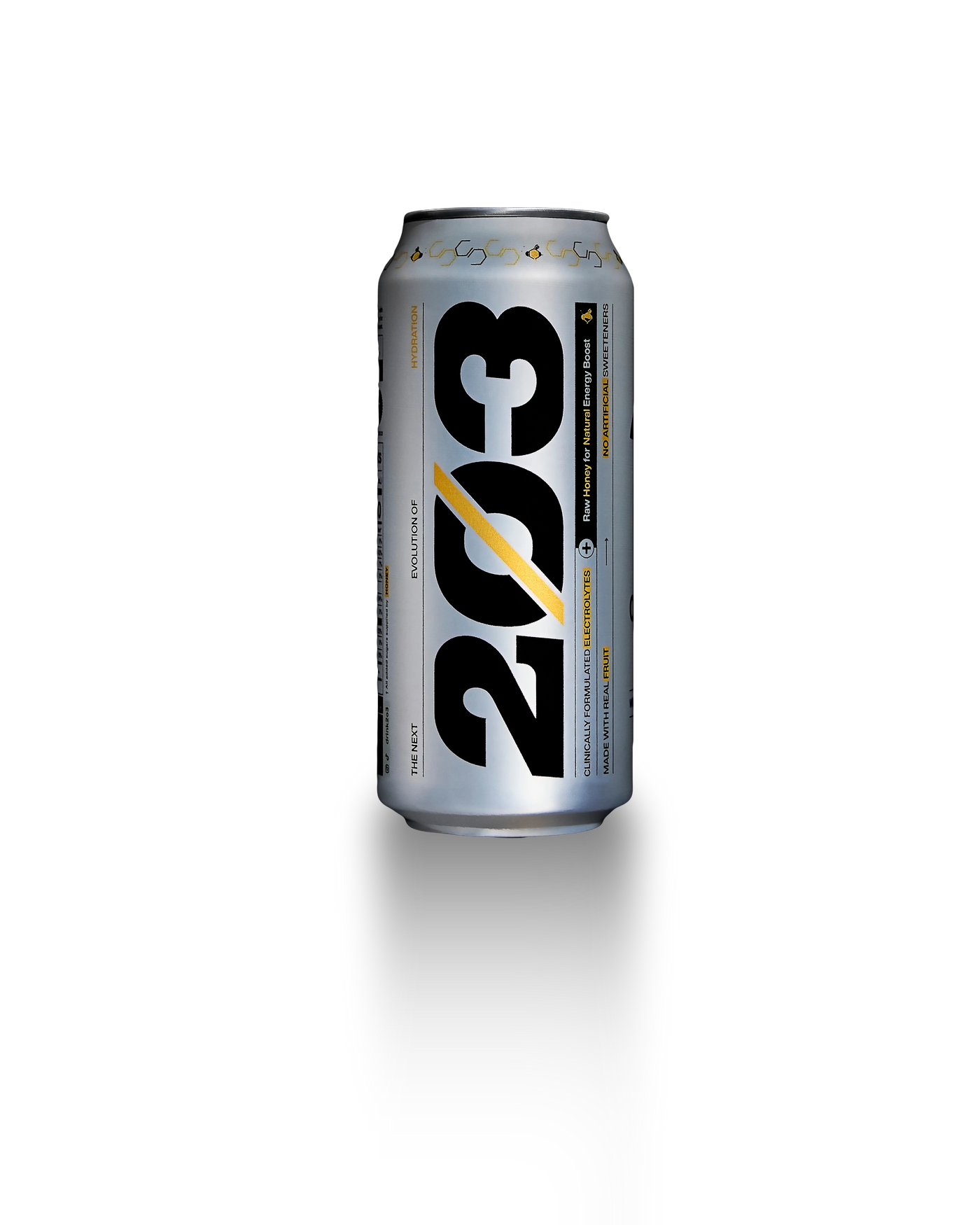
It's why 2O3 combines performance-dosed electrolytes with carbohydrates from real ingredients, including honey, rather than relying on electrolytes alone.
Daily Nutrition and Performance Nutrition Aren't the Same Thing
The next time someone tells you that you don't need electrolytes because you're already getting enough sodium in your diet, consider the context.
If they're talking about an average day without meaningful sweat losses, they're probably right.
But if they're suggesting that daily sodium intake eliminates the need to think about hydration during intense exercise, they're overlooking an important part of sports physiology.
Your daily diet establishes the foundation.
Your training conditions determine whether additional hydration support is warranted.
And the timing, quantity, and composition of what you drink can influence how effectively you prepare for and recover from exercise-related fluid losses.
You don't need more sodium just because you're alive. You may need a more deliberate hydration strategy because of how you train.
That's the difference between everyday hydration and performance hydration.
And that's what 2O3 was built for.